Forgot the Safe Combination? What Happens When a Locksmith Opens It
Most people assume opening a safe means a drill and a wrecked door. Often it doesn't.
September 30, 2026 · 4 min read
Maybe it was a safe you set up years ago and never opened. Maybe you inherited one and nobody wrote the combination down. Or maybe the dial just stopped cooperating. Whatever got you here, you're standing in front of a locked safe with your paperwork, or your grandfather's watch, sealed inside.
Opening safes with forgotten combinations is part of what we do, along with repair, maintenance and security upgrades. People often picture something dramatic when they call. The reality is usually quieter and more patient.
First, prove the safe is yours
Any honest locksmith will ask who you are before touching a safe. That isn't red tape, it's the job. A locksmith who opens anything for anybody is a locksmith nobody should trust with a key.
What counts as proof depends on the situation, so call ahead and ask what to bring. In general, expect to show a photo ID, and something that ties you to the place or the safe. That might be a bill or lease showing your address, a purchase receipt, paperwork for an inherited estate, or a business record if the safe belongs to a company. If the safe is in a business, the person asking should be someone with the authority to have it opened.
- A government photo ID.
- Something showing you live at, own or manage the location where the safe sits.
- Any paperwork that came with the safe: receipts, manuals, serial number records.
- The make and model if you know them, plus any numbers you half remember.
- For an inherited safe, whatever documents show you're the person entitled to open it.
Start with what you already know
Before anyone reaches for a tool, try a little detective work. Dial combinations often turn up in odd places: an owner's manual, a card taped inside a desk drawer, an old note in a filing cabinet, a call to the original seller. Many safes have a serial number that can help track down manufacturer information. Keypad safes may have an override key or a factory reset procedure. Sometimes the problem is as simple as dead batteries in an electronic lock.
How a safe actually gets opened
There's a range of methods, and a good technician works from the gentlest to the most destructive.
The first approach is manipulation. On a mechanical dial lock, a skilled person can feel and listen for the internal wheels as the dial turns and work out the combination without damaging anything. It takes time and a practiced hand, and it doesn't work on every lock, but when it does, the safe comes open undamaged and often still usable as before.
For electronic locks, there may be a way to read or reset the lock through its own electronics, or to bypass a failed keypad by going in through an access point. Again, the goal is to keep the safe intact.
When drilling is and isn't needed
Drilling is a real tool, and sometimes the right one, but it should come after the gentler options, not before. Drilling means making a small, precise hole at a spot where the technician can see or reach the lock's internals, then opening the lock through that hole. Done properly, the hole is small and can be repaired or plugged afterward, and the safe goes back into service.
Drilling makes sense when the lock has failed in a way that can't be felt through manipulation, when parts inside have broken, or when the safe is built to resist the quieter methods. It isn't needed when the combination can be recovered or the lock can be worked open cleanly. If someone tells you a safe has to be drilled before they've asked a single question about it, get a second opinion.
Honest options matter here. One customer told us that when a residential lock had to be drilled out, Shawn laid out every option plainly and didn't push expensive extras. That's the right way to handle any forced opening: explain what's going to happen, why, and what the alternatives are, then let the owner decide.
After it's open
Getting in is only half the job. Once the safe is open, it's the ideal time to fix whatever made it a problem. You might reset the combination to something you'll remember, repair a failing lock, replace worn parts, or upgrade the security. If it was drilled, the damage should be addressed so the safe protects what's inside. And write the new combination down somewhere sensible, not taped to the safe.
- Choose a combination you can recall without a clue sitting next to the safe.
- Store a written copy apart from the safe, such as in a home file or with a trusted person.
- Have the lock checked or serviced if it was already acting up before you lost access.
- Think about whether the safe still suits what you keep in it. Safes are sold on our shop floor if it's time for a bigger or better one.
Cost depends on the make, the lock type and the method, so we won't guess here. Call for a quote.
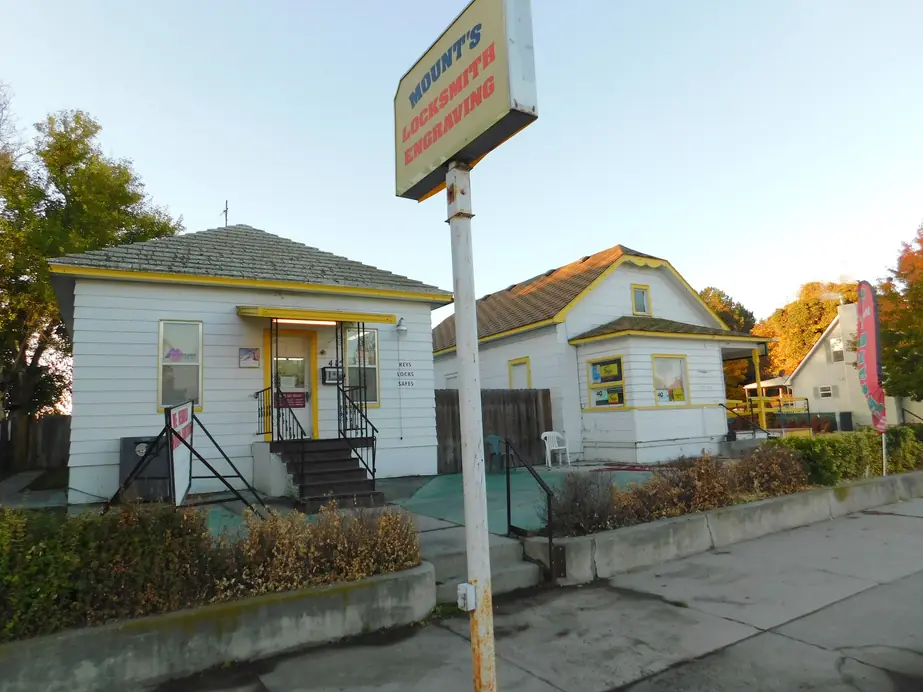
If you're staring at a safe you can't open, call 509-586-9300 or come by 415 W 1st Ave in Kennewick. Tell us the make if you can, and we'll tell you what to bring.
Mount's Lock & Key, 509-586-9300
Call 509-586-9300More articles
Why Your Duplicate Key Sticks, and What a Good Cut Looks Like
If you have to push, pull and wiggle a new key to get it to turn, the copy is almost always the problem.
Honda Key Won't Turn? How to Tell If the Ignition Cylinder Is Wearing Out
A key that needs a wiggle to start the car is telling you something, and you usually have more options than replacing the whole unit.